FREE SHIPPING OVER 60 € | ✉ SIGN UP & SAVE 10 %
BREZPLAČNA POŠTNINA NAD 60 € | ✉ PRIJAVI SE IN PRIHRANI 10 %

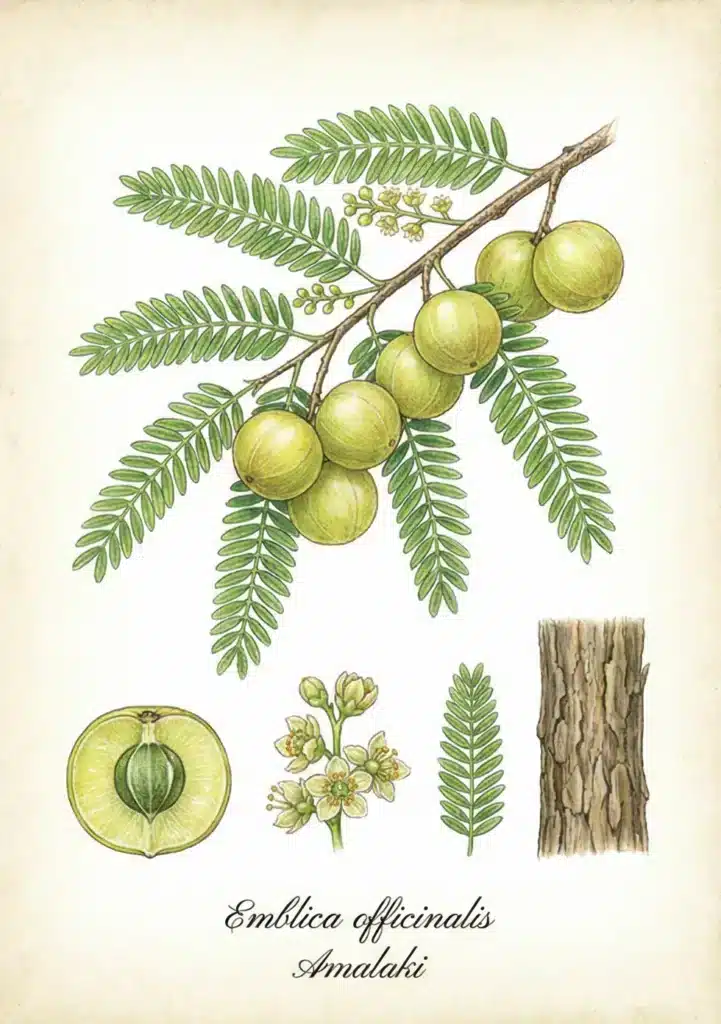
Amalaki benefits have been valued in Ayurveda for centuries, as a rasayana, a rejuvenating agent believed to promote vitality and longevity. In recent decades, modern science has begun to confirm many of the traditionally described effects of this fruit. Today we know that amalaki is exceptionally rich in vitamin C, tannins, and other polyphenols, all of which contribute to its potent antioxidant properties.
In this article we present a dual perspective on amalaki, first through the lens of Ayurveda (including its effects on the doshas, traditional uses, and formulations), and then from the standpoint of modern science, which investigates its active constituents and potential health benefits in various chronic diseases.
In Ayurveda, amalaki is valued as a versatile herb that helps balance all three doshas (vata, pitta, and kapha) in the body. Although the fruit has a distinctly sour taste (rasa), its cooling energy (virya) and sweet post-digestive effect (vipaka) mean that it actually pacifies excess pitta, while also exerting a beneficial influence on vata and kapha.
Classical Ayurvedic texts describe amalaki as a rasayana because it rejuvenates and strengthens ojas (vital essence, immune resilience) and thereby supports the immune system and overall vitality. Dried or fresh fruits are frequently incorporated into herbal preparations.
A classic example is Triphala, the famous Ayurvedic formula composed of three fruits. In this formula, amalaki is combined with haritaki (Terminalia chebula) and bibhitaki (Terminalia bellirica), and together they act as a digestive tonic and rejuvenator for all three doshas.
Learn more about Triphala here.
In Ayurvedic therapy, amalaki is used for a wide range of indications, from digestive disturbances and constipation to bleeding disorders (e.g., bleeding gums and ulcers), and as a supportive agent in febrile states, inflammatory conditions, and even diabetes. These uses are rooted in its traditional description as a fruit that cools the blood, reduces “excess fire” in the body, and acts as a balm for the organs.Ayurvedic physicians traditionally state that amalaki strengthens agni (digestive fire) without irritating it, cleanses the liver and blood, improves vision, supports the health of the heart and respiratory system, and even strengthens hair and nails.
Modern chemical analyses confirm that amalaki is a true treasure trove of nutrients and antioxidants. It is particularly notable for its extremely high vitamin C content; some sources describe it as one of the richest natural sources of vitamin C in the plant kingdom. Importantly, vitamin C in this fruit occurs together with tannins, which stabilize it and protect it from degradation. As a result, vitamin C remains active in dried amalaki powder for a long time. In addition to ascorbic acid, the fruits are rich in other antioxidant compounds such as polyphenols. Among the characteristic tannins identified in amalaki are emblicanin A (approximately 37%), emblicanin B (33%), punigluconin (12%), and pedunculagin (14%), which together contribute to the astringent taste of the fruit. Amalaki also contains gallic acid, ellagic acid, and the flavonoids rutin and quercetin, as well as alkaloids and other phytochemicals. We should also not overlook the presence of minerals and amino acids.
Because of this complex composition, it is not surprising that amalaki extracts exhibit strong antioxidant activity. The combination of vitamin C and polyphenols appears to be key to its effectiveness: while vitamin C directly neutralizes radicals, polyphenols help regenerate antioxidant enzymes in the body and have a broad range of biological effects.
Scientific literature emphasizes that this rich phytochemical profile gives amalaki remarkable therapeutic potential. A paper published as early as 2010 referred to it as an “Ayurvedic wonder fruit” and listed numerous pharmacological properties of all parts of the plant, including antidiabetic, hypolipidemic, antibacterial, antioxidant, and anti-ulcer effects, as well as hepatoprotective, gastroprotective, and chemopreventive actions.
In the following section, this article examines the key health effects of amalaki that have been confirmed in modern research and explains their relevance in the context of preventing and managing chronic diseases.
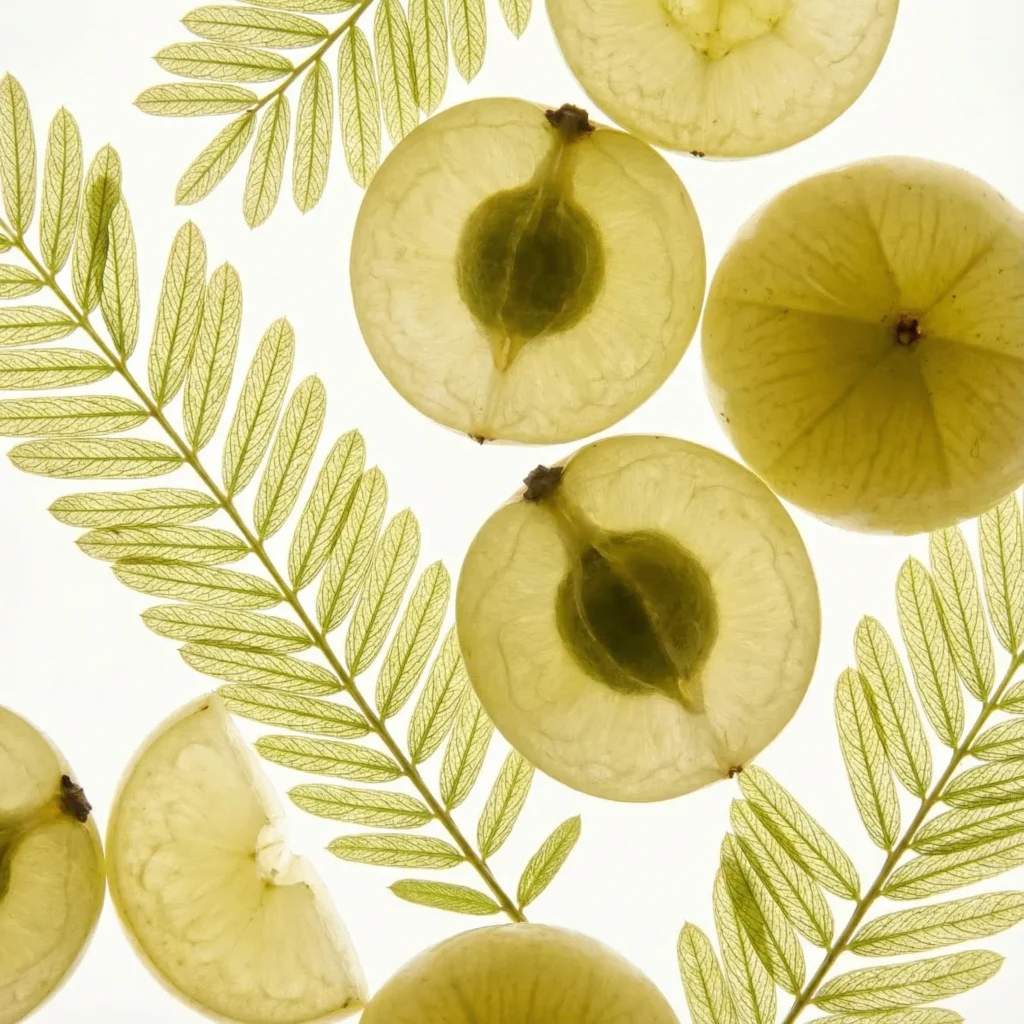
Among the most researched amalaki benefits are its antioxidant and anti-inflammatory effects.. Thanks to its abundance of vitamins (especially vitamin C) and polyphenols, amalaki acts as a powerful free radical scavenger and protects cells from oxidative stress.
Numerous in vitro studies have shown that fruit extracts have very high antioxidant capacity: they effectively neutralize various types of free radicals (DPPH, ABTS, superoxide, etc.) and prevent lipid oxidation (for example, by inhibiting LDL-cholesterol peroxidation). This chemically measured antioxidant power is also confirmed in living systems. Experiments on cell cultures have demonstrated that amalaki extract increases the activity of endogenous antioxidant enzymes (e.g., aging catalase and superoxide dismutase) and reduces the formation of reactive oxygen species in exposed cells.
Even more important are studies in animals and humans, which show that amalaki can improve the antioxidant balance in the organism. In animals, supplementation with amalaki extract has been found to protect organs from oxidative damage. In mice exposed to chronic alcohol consumption, amalaki reduced lipid peroxidation in the liver and increased levels of antioxidant defense molecules. Similarly, in conditions of high toxin/stressor load, studies in rats have observed protective effects on cardiac muscle and kidneys.
Clinical studies in humans further support these antioxidant properties. In a randomized, placebo-controlled trial in smokers, daily intake of amalaki extract over two months significantly reduced markers of lipid peroxidation and increased overall antioxidant status compared with placebo. Another study in otherwise healthy individuals with metabolic syndrome found that 12 weeks of amalaki supplementation improved antioxidant parameters in the blood. Through these mechanisms, amalaki can potentially protect tissues from ageing and degenerative changes, which is why some people refer to it as a “fruit of youth”. Its antioxidant effects are also the basis for many of its other health properties – from anti-inflammatory and immunomodulatory actions to organ protection – which we explore further below.
Ayurveda traditionally states that amalaki “feeds and nourishes all tissues” and strengthens immunity. From a modern perspective, this can be explained by understanding how the antioxidants in amalaki protect immune cells from damage and help them function optimally.
Research has shown that amalaki extract can promote lymphocyte proliferation, increase the activity of natural killer cells, and enhance macrophage phagocytosis, especially in conditions of a weakened immune system. In experimental models, supplementation with amalaki alleviated immunosuppression induced by heavy metals (chromium) and restored normal immune function in test animals.
Such effects point to an immunomodulatory role: amalaki can help balance the immune response by boosting it when it is weak, while its anti-inflammatory properties help prevent excessive, damaging inflammatory reactions. The anti-inflammatory actions of amalaki have been confirmed in various in vitro and in vivo studies. Extracts have been found to inhibit the production of inflammatory cytokines (e.g., TNF-α, IL-6) and reduce the activity of inflammatory enzymes such as 5-lipoxygenase and cyclooxygenase.
Phenolic compounds from amalaki (e.g., gallic acid, ellagic acid, quercetin, and others) can dampen both acute and chronic inflammation by modulating signaling pathways that drive inflammatory responses. Animal subjects with arthritis and edema have shown that amalaki supplementation reduces swelling and inflammatory infiltration, with effects comparable to low doses of nonsteroidal anti-inflammatory drugs – suggesting a notable anti-inflammatory potential without pronounced side effects.
Particularly interesting are findings from clinical studies on systemic inflammation. In a small pilot trial published in the Journal of Medicinal Food, researchers investigated the impact of amalaki extract on inflammatory blood markers and lipid profiles. After several weeks of treatment, participants showed reduced C-reactive protein (CRP) and other inflammatory markers, alongside improved ratios of “good” to “bad” cholesterol.
This suggests that amalaki can attenuate low-grade chronic inflammation, which is characteristic of metabolic syndrome and cardiovascular disease. Such chronic inflammation plays a key role in the development and progression of many chronic conditions – from atherosclerosis, arthritis, and diabetes to neurodegenerative diseases.
This immunomodulatory balance also helps explain the traditional Ayurvedic use of amalaki in recurrent infections, allergies, and inflammatory respiratory conditions (e.g., cough and asthma), where it helps alleviate symptoms and improve overall resilience.
One of the most promising areas of amalaki research is its role in blood sugar regulation and glucose metabolism. Ayurvedic tradition has long recommended amalaki as a supportive agent in diabetes. Modern studies confirm that it has hypoglycemic effects and can improve metabolism in type 2 diabetes and metabolic syndrome.
A key line of evidence comes from a human clinical trial (Akhtar et al., 2011), which examined the effects of amalaki supplementation on blood glucose and lipids in both healthy and diabetic individuals. The results were striking: after 21 days of supplementation, both healthy participants and those with diabetes showed significant reductions in fasting and post-prandial glucose compared with baseline values.
It is believed that polyphenols in amalaki increase the sensitivity of cell membranes to insulin and promote glucose uptake into muscle tissue. They may also inhibit enzymes involved in carbohydrate digestion (α-amylase and α-glucosidase), thereby slowing sugar absorption after meals.
In addition, the antioxidant action of amalaki protects pancreatic β-cells from oxidative stress and may thus support endogenous insulin secretion. Some animal studies have shown that amalaki extract can restore liver glycogen stores and reduce excessive hepatic glucose production, further contributing to lower blood sugar levels.
An important aspect is that these effects have been observed without major adverse events. Nevertheless, caution is required when amalaki is taken alongside antidiabetic medications: it can potentiate the effect of insulin or oral hypoglycemic drugs and could theoretically lead to hypoglycemia. For this reason, regular monitoring of blood glucose is recommended in such combinations.
Scientific reviews place amalaki among the most promising natural agents for complementary management of diabetes – not as a replacement for prescribed therapy, but as a potential adjunct within a comprehensive treatment plan.
In 2019, a randomized, double-blind, placebo-controlled multicenter trial was published in 98 patients with dyslipidemia. Participants received either amalaki extract or a placebo for 12 weeks. The results showed a statistically significant reduction in total cholesterol, LDL and VLDL cholesterol, as well as triglycerides, in the group that took amalaki.
On average, the reduction in cholesterol was large enough to be considered clinically relevant in terms of lowering cardiovascular risk. Particularly impressive was an approximately 39% decrease in the atherogenic index of plasma (AIP) – an indicator reflecting the balance between atherogenic and protective lipid fractions. The ratio of apolipoproteins B/A1, a strong predictor of atherosclerosis, also decreased.
The authors concluded that amalaki extract has outstanding potential in the management of both general and diabetic dyslipidemia, as it is one of the few substances that can lower both cholesterol and triglycerides at the same time.
How does amalaki achieve these hypolipidemic effects? Polyphenols (especially tannins and flavonoids) in amalaki inhibit the enzyme HMG-CoA reductase, which is a key enzyme in cholesterol synthesis – somewhat similar to the mechanism of statins, but with milder, plant-based action.
They also increase the excretion of bile acids (which are synthesized from cholesterol) and improve the activity of lipoprotein lipase, the enzyme responsible for breaking down triglycerides in the blood. Another important finding is that amalaki inhibits LDL oxidation.
Its antioxidant and anti-inflammatory effects on the vascular wall are likewise crucial, and some studies have reported beneficial effects on blood pressure as well.
The liver is often a target of toxins (e.g., use of alcohol, drugs, and chemicals) and various chronic diseases (such as non-alcoholic fatty liver disease and hepatitis). In Ayurveda, amalaki is used for detoxification and liver protection – an approach that is increasingly being supported by modern research.
Findings from numerous studies show that amalaki has pronounced hepatoprotective properties, protecting liver cells from damage and improving their function.
A review article in Food & Function (2013) reports that scientific studies have demonstrated protective effects of amalaki against liver injury caused by alcohol, paracetamol, carbon tetrachloride (CCl₄), heavy metals, mycotoxins, and anti-tuberculosis drugs.
A particularly interesting effect has been observed in iron overload: amalaki reduced iron accumulation in the liver and thus prevented oxidative damage.
Amalaki not only protects against acute toxins but also appears beneficial in chronic liver diseases. The aforementioned review notes that it has favorable effects on hyperlipidemia and metabolic syndrome – conditions often associated with non-alcoholic fatty liver disease (NAFLD).
In vivo experiments show that amalaki activates phase II detoxification enzymes in the liver, such as glutathione-S-transferase, and increases glutathione content, which leads to more efficient neutralization of toxins. At the same time, it suppresses excessive release of inflammatory mediators in the liver (NF-κB, TNF-α).
Despite these promising findings, serious liver disease always requires medical care. Amalaki can be used as an additional supportive measure, and its safety and natural origin make it an attractive option in integrative approaches.
Research has also explored the effects of amalaki on the nervous system. Aging and chronic neurodegenerative diseases, such as Alzheimer’s and Parkinson’s disease, are strongly associated with oxidative stress, inflammation, and metabolic disturbances in the brain.
Given that amalaki has antioxidant, anti-inflammatory, and metabolism-modulating properties, scientists have investigated whether it can benefit the brain and nervous system. The results – especially from preclinical studies – are encouraging.
A 2019 review published in Metabolic Brain Disease concluded that there is a growing body of evidence for beneficial effects of amalaki in various neurological conditions, such as epilepsy, depression, and stress-related disorders, as well as neurodegenerative diseases such as Alzheimer’s and Parkinson’s disease.
While human data are still limited, these findings suggest that amalaki may be a promising candidate for further research as part of neuroprotective and nootropic strategies.
Of course, it is essential to emphasize that amalaki is a supportive measure and not a miracle cure. Its benefits are best expressed as part of a healthy lifestyle or in combination with standard therapies; it cannot replace insulin in type 1 diabetes or potent antibiotics in serious infections.
Nevertheless, because of its safety profile and broad spectrum of action, amalaki has earned a place in the field of functional nutrition as a natural aid for maintaining health and helping to prevent disease.
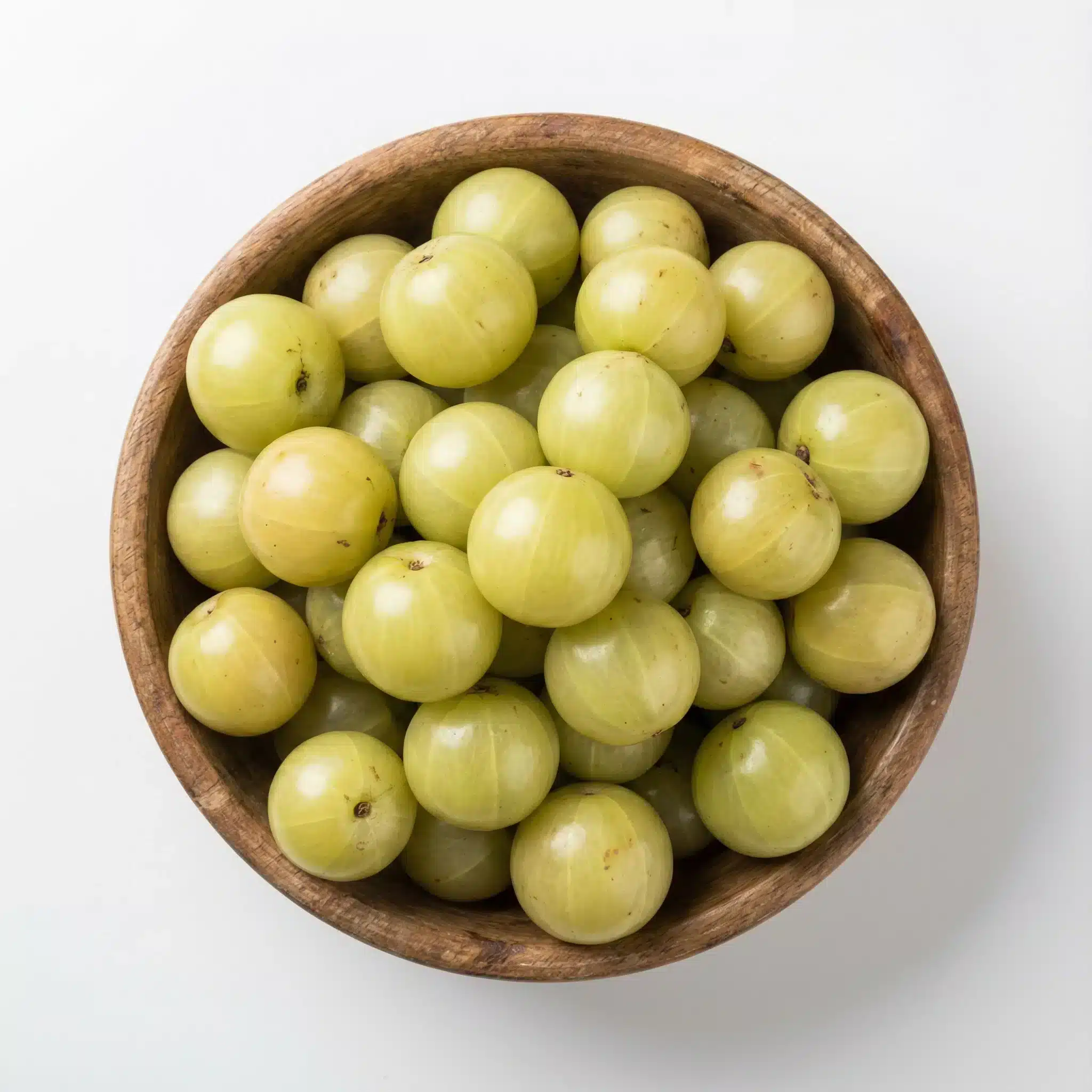
Amalaki is considered a safe food when consumed as part of the diet. In India it is eaten in moderate amounts as an everyday food (e.g., pickles, chutneys, preserves), which speaks to its low toxicity.
However, when using highly concentrated extracts or larger supplemental doses, it is important to keep a few precautions in mind:
Overall, the available data suggest that amalaki is a very safe herb with a long history of traditional use. Regulatory agencies generally classify it as a dietary supplement ingredient that does not pose a risk at usual intake levels.
Amalaki (Indian gooseberry) is an excellent example of how ancient Ayurvedic wisdom and modern science can meet and complement each other. It is often classified among so-called superfoods and adaptogens that enhance stress resilience and support homeostasis in the body.
Whether we look at classical Ayurvedic texts or the latest scientific research, there is a broad agreement that amalaki is a fruit that deserves its reputation as one of the most effective plant-based supplements for supporting health.
Chandrasekhar, K., Kapoor, J., & Anishetty, S. (2012). A prospective, randomized double-blind, placebo-controlled study of safety and efficacy of a high-concentration full-spectrum extract of Ashwagandha root in reducing stress and anxiety in adults. Indian Journal of Psychological Medicine, 34(3), 255–262.
Choudhary, D., Bhattacharyya, S., & Bose, S. (2017). Efficacy and safety of ashwagandha (Withania somnifera (L.) Dunal) root extract in improving memory and cognitive functions. Journal of Dietary Supplements, 14(6), 599–612.
Dar, N. J., & Ahmad, M. (2020). Withania somnifera: Current perspectives on therapeutic potentials. Alternative Therapies in Health and Medicine, 26(1), 20–31.
Dubey, S., et al. (2021). Efficacy of Withania somnifera supplementation on stress, sleep, and quality of life: A systematic review and meta-analysis of randomized controlled trials. Phytotherapy Research, 35(9), 1–15.
Kelgane, S. B., Salve, J., Sampara, P., & Debnath, K. (2020). Efficacy and safety of ashwagandha root extract in insomnia and anxiety: A double-blind, randomized, placebo-controlled study. Cureus, 12(10), e11785.
Lopresti, A. L., Drummond, P. D., & Smith, S. J. (2019). A randomized, double-blind, placebo-controlled, crossover study examining the hormonal and vitality effects of ashwagandha (Withania somnifera) in aging, overweight males. American Journal of Men’s Health, 13(2), 1557988319835985.
Raut, A. A., Rege, N. N., Tadvi, F. M., Solanki, P. V., Kene, K. R., Shirolkar, S. G., & Vaidya, A. B. (2012). Exploratory study to evaluate tolerability, safety, and activity of ashwagandha (Withania somnifera) in healthy volunteers. Journal of Ayurveda and Integrative Medicine, 3(3), 111–114.
Salve, J., Pate, S., Debnath, K., & Langade, D. (2019). Adaptogenic and anxiolytic effects of ashwagandha root extract in healthy adults: A double-blind, randomized, placebo-controlled clinical study. Cureus, 11(12), e6466.
Sharma, M., & Chandola, H. M. (2011). Withania somnifera (Ashwagandha) in Ayurveda: A review of pharmacological and clinical studies. AYU, 32(1), 72–79.
Singh, N., Bhalla, M., de Jager, P., & Gilca, M. (2011). An overview on ashwagandha: A Rasayana (rejuvenator) of Ayurveda. African Journal of Traditional, Complementary and Alternative Medicines, 8(5 Suppl), 208–213.
Tripathi, A. K., et al. (2018). Effect of Withania somnifera on subclinical hypothyroidism: A double-blind, randomized, placebo-controlled trial. Journal of Alternative and Complementary Medicine, 24(3), 243–248.
Wankhede, S., Langade, D., Joshi, K., Sinha, S. R., & Bhattacharyya, S. (2015). Examining the effect of Withania somnifera supplementation on muscle strength and recovery: A randomized controlled trial. Journal of the International Society of Sports Nutrition, 12, 43.
AK Plus d.o.o.
Poljanska cesta 19
1000 Ljubljana, Slovenia
VAT ID: SI39532623
Reg. no. 9961500000
(subscription – regular delivery every 30 / 60 / 90 days)
Notifications